
Edith Wharton
The Remarkable Psychological Transformation of Mr. Waythorn
A critical literary essay by Lynne Hathaway, October 30, 2021

For the study of psychological development, it is well worth it to take time to examine Edith Wharton’s character Mr. Waythorn in the short story entitled “The Other Two.” To the discerning reader, it quickly becomes apparent that Mr. Wharton develops and changes psychologically in significant ways in a surprisingly short amount of time. To wit, Mr. Wharton’s healthy ego slowly diminishes with the gradual realizations that accompany his skewed views of his wife, her ex-husbands, and his inflated self-image. These psychological transformations mimic the stages of grief: denial/isolation, anger, bargaining, depression, and, finally, acceptance of his fate. Although he is not grieving for a lost family member or friend, it is grief for the man he used to be, as he transforms to a man that is unrecognizable.
Even though the descriptions of Mr. Waythorn’s home are limited, the reader knows instantly that Mr. Waythorn is financially well off and his home is worthy of his station in life. For instance, among other things, he has a butler, a footman, a French nanny for Edith’s child and various other servants available at all times to attend to his every demand. Nuances of the text indicate that Mr. Waythorn considers the home his alone. For instance, Mr. Waythorn notes “It was their first night under his own roof…” (220, emphasis added). In reference to the child, Lily, he notes that she has “been transferred to his house” (220, emphasis added). The narrator says of Mr. Waythorn that “his satisfaction…was humorously summed up in the thought that his wife would not be ashamed to come down to a good dinner” (222, emphasis added). There is no doubt that Mr. Waythorn considers himself, at the moment, the sole owner of his house. His wife and her child are mere benefactors of his generosity.
While Mr. Waythorn is waiting for Alice to come downstairs and join him for dinner, he is “surprised at his thrill of boyish agitation” (220). At first, he admires his wife’s calm disposition and impeccable manners, which he assumes are a natural part of her character. She has “perfectly balanced nerves,” and her poise is “restful to him” (221). He is impressed with her “unperturbed gaiety” when other women her age merely grow “slack or febrile” in comparison (221). His affections for Alice culminate in a “sense of having found refuge in a richer warmer nature than his own” (222) and he notes with pride that she is a “slight and slender” creature (226). However, one should not assume that all this admiration for Alice is born from Mr. Waythorns natural affections, but it is rather a feeling that comes from the pride of ownership of her in much the same way that he takes pride in sole ownership of his home.
He is sure that he is the reason for her contentment, thinking to himself that she is “very happy in being with him” and that she is so happy that she even finds “a childish pleasure in rehearsing the trivial incidents of her day” to him (226). He is “overcome with the joy of possessorship” as he watches Alice serve the after-dinner coffee (226): “They were his,” he thinks, “those white hands with their flitting motions, his the light haze of hair, the lips and eyes…” (226, emphasis added). It is perfectly clear that Mr. Waythorn enjoys ownership of his home and all the things, and people, in it.
There are small concerns and whispers of Alice’s previous marriages, but Waythorn believes that society’s stigma against divorce is irrational and he has “amused confidence in his wife’s ability to justify herself” (222). In the beginning, he is quite willing to give Alice the benefit of the doubt concerning her previous marriages despite the “faint undercurrent of detraction” (221). He prefers to believe that her first marriage to Mr. Haskett is a “result of a runaway match at seventeen” and since he isn’t acquainted with Mr. Haskett, it is “easy to believe the worst of him” (221). As for her second marriage, he notes that it “was a passport to the set whose recognition she coveted” and for some time after the remarriage, she and Mr. Varick were “the most popular couple in town” (221). These observations are a hint to the reader from the author that perhaps Alice’s motives aren’t completely pure, that she covets recognition and popularity. The second marriage was “brief and stormy” and even though Alice’s second husband has staunch supporters, they also “admit” that he is “not meant for matrimony” (221). Nevertheless, Mr. Waythorn, ever sure that his judgment is unapproachable, chooses to believe in his wife’s innocence and ignores anything to the contrary. He assures a worried friend that he undertakes the step of matrimony “with his eyes open” to which his friend replies, “Yes, and with your ears shut” (222). He is in denial, because his consciousness fails to acknowledge hints of the possibilities of unacceptable truths.
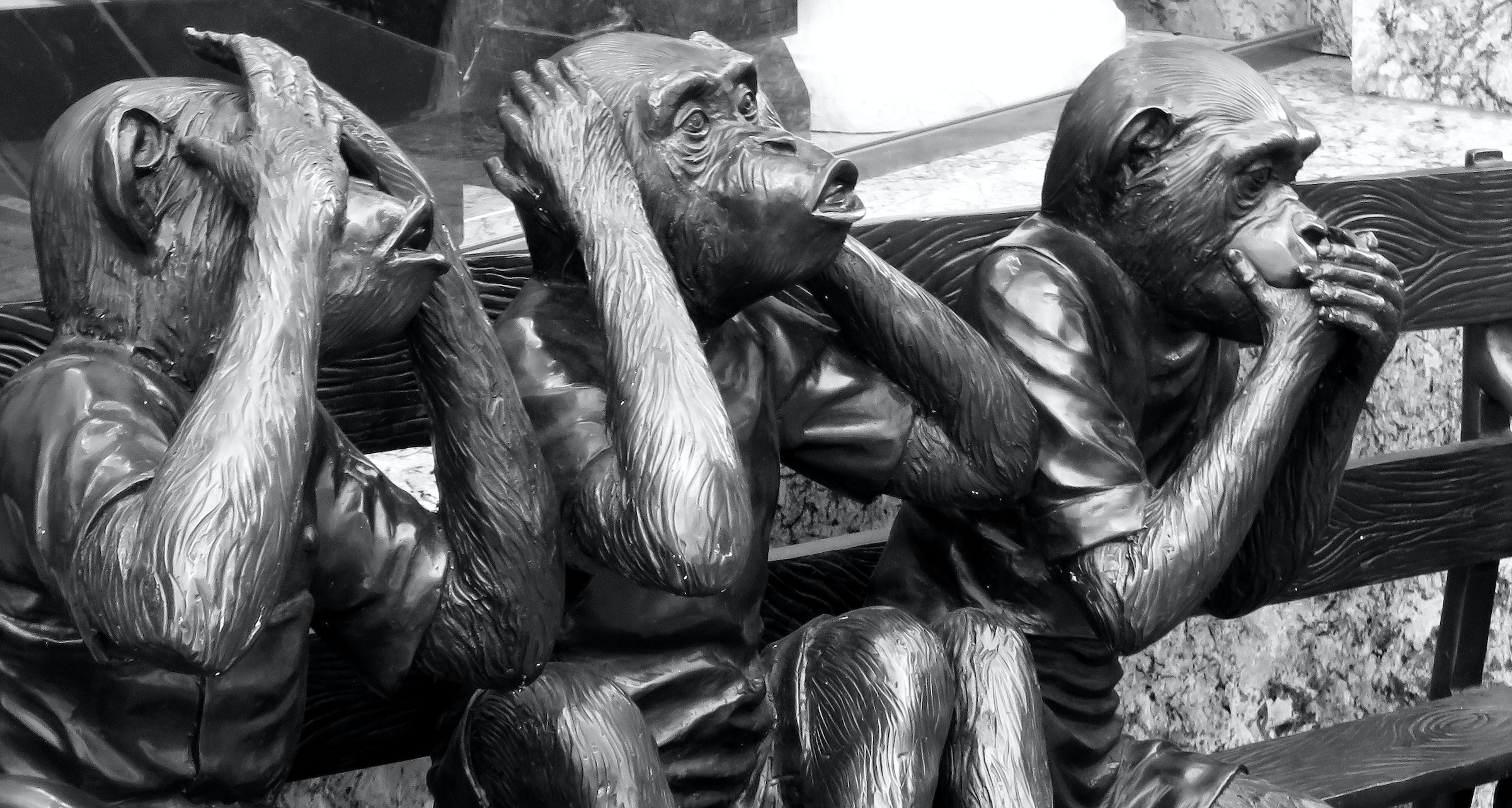
While Mr. Waythorn is daydreaming of wedded bliss and congratulating himself on his excellent choices in life, Alice supplies him with news that she has heard from her first husband, Mr. Haskett. It seems that Mr. Haskett wishes to visit his sick daughter who lies gravely ill upstairs in the Waythorn home. The first signs of anger appear as Alice shows him the letter from Mr. Haskett’s lawyer and Mr. Waythorn moves away “with a gesture of refusal.” Mr. Waythorn is profoundly disconcerted at the thought of a stranger encroaching upon the private space of his home, but he has no choice but to agree because the law allows Haskett the privilege of seeing his daughter. The repulsive thoughts of another man’s entrance into the doors of his home with “just as much right to enter it as himself” fill[s] him with a “physical repugnance” (224).
From that point on, Mr. Waythorn attempts to isolate himself from these tiresome visits of his wife’s ex-husband to his abode with plans to stay away all day. To avoid Haskett’s visits, he resolves to leave for work early, come home late, and dine “at his club.” The one time he forgets to isolate himself from the chaos, he encounters Alice’s first husband at his home and he is “much disturbed by his brief encounter” with him (229). He angrily goes to his room and flings “himself down with a groan,” hating the “acute suffering” he has to endure. With these intrusions upon his privacy, Mr. Waythorn’s concepts of complete ownership are suddenly destabilized. Even worse than that, in Waythorn’s mind, Alice is part of the deal. Not only does Haskett’s visit represent a threat to his ownership of the house, it also represents a threat to his ownership of Alice.
When it comes to his wife’s other ex-husband, Mr. Haskett, it was the man’s “made-up tie attached with elastic” that first makes Mr. Waythorn start to question his initial harsh assessment of the man (230).

He realizes that Haskett is a gentleman who lives a simple life and seems to have good intentions after all. He starts to imagine Alice simple life with Haskett, as she carefully makes her own dresses to mimic those in society magazines so that she can look “down on the other women” as she secretly feels “that she belong[s] in a bigger place” (230). He thinks about what this implies about Alice: that she aspires to elevate herself in the social world and that she is embarrassed about once being married to a simple man like Haskett. He thinks to himself, “A man would rather think that his wife has been brutalized by her first husband,” rather than the other way around (231). This inkling of impropriety disturbs him.
Mr. Waythorn’s suspicions of Alice are seemingly confirmed when he discovers evidence of a lie.

When it comes to dealing with Mr. Haskett and Alice, Mr. Waythorn directly asks Alice if she sees the man when he visits. She hesitantly assures him that she allows the nurse to do the necessary communications with Mr. Haskett. This answer satisfies Mr. Waythorn at the time. Eventually, Haskett tells Mr. Waythorn of his dislike of Lily’s governess and mentions he is in discussions with Alice about his concerns. Instantly, Waythorn catches Alice’s lie and “the incident cast[s] a curious light on her character” (231)
She is speaking to Haskett, after all, and she denies it! To add to the disillusionment, he learns from questioning Alice further that she is privy all along to “the extent of Haskett’s claims”; that the man has an honest right to enter the home, see his daughter, and he can lawfully dictate the conditions of her care. Mr. Waythorn realizes, with horror, that Haskett is fully within his rights and that he has no choice but to “accept [Mr. Haskett] as a lien on the property” (233).
His business meetings with Alice’s second husband, Mr. Varick, though uncomfortable because he wonders what others think of them, are cordial enough to continue for some time. He thinks he is safe as long as Varick doesn’t intrude upon the inner sanctum of his home, like Haskett has done. The dreaded wake-up call happens one evening during a social engagement while Mr. Waythorn is “wandering through the remoter rooms” of the building. To his dismay, he stumbles upon “Varick seated beside his wife” (233). Upon this discovery, his wife seems embarrassed but Mr. Varick only nods without rising. Mr. Waythorn, though shocked to see his wife with Varick in a private room, is compelled to obligingly stroll on as if nothing has happened. He later questions her and she makes her usual excuses to sooth him, but “her pliancy” only serves “to sicken him.” It bothers him that she appears to have “no will of her own” as she seems to bend to the will of these men without question (234). It irks him that she accepts Haskett and Varick’s presence in their life and that she wants him to accept these men, too, simply because it seems “less awkward” (234). He chafes at the realization that her first instinct is “to evade difficulties or to circumvent them” (234). However, Alice eventually prevails as Mr. Waythorn slowly acquiesces. He unwillingly enters into difficult and unpleasant situations that he cannot easily resolve or escape as he accepts the bargaining chip that Alice offers. There is no other choice Mr. Waythorn realizes as he slowly comprehends “with grim irony” that he is but “a member of a syndicate” because he holds “so many shares in his wife’s personality and his predecessors” are now “his partners in the business” (234).
With a melancholic disposition, Mr. Waythorn suddenly realizes that Alice’s calm disposition and impeccable manners are nothing but “traces” of her former marriages on her character (234). He acknowledges with chagrin that “her whole aspect, every gesture, every inflection, every allusion” is “a studied negation of that period of her life” (230). He now sees the mediocre way in which she takes “her change of husbands like a change of the weather” (234) and he likens her to “a juggler tossing knives,” that knows the “knives” are “blunt” and “would never cut her” (235). Worst of all, he realizes that not only is Alice a skilled deceiver, she is a social climber who discards husbands as one would discard an old hat for a newer, better one. He bargains with his ego as he asks himself if it “were not better to own a third of a wife who knew how to make a man happy than a whole one who had lacked opportunity to acquire the art” (235).
Mr. Waythorn began his psychological journey as a self-assured man secure in his sole ownership of home and everything, and everyone, in it. Professor Paul Petrie explains: “…as the Waythorns adjust to their new, married life, each new threat to Waythorn’s equanimity posed by Alice’s history, personified by the inconvenient presence of the “other two” husbands, causes him to reinterpret [the] facts much more prejudicially.” Indeed, without knowing that he has passed through the first four stages of grief: isolative denial, anger, bargaining, and melancholic depression, he is so unequivocally sure of himself and his station in life, that he hardly takes notice of the changes that come about under the skillful hand of his wife. He begins as a man who is well off and enjoys the finer things in life, sure of himself in that he chose the perfect wife, the perfect home and he is the sole owner of both. He dismisses any whispers from detractors, because he knows best, not recognizing his own denials of truth. One by one, each of his preconceived notions are knocked down by the reality of his situation. He tries to ignore his feelings of anger and despair and when his attempts at isolation are ineffective, he soon realizes that his wife is an illusionary figure made up of a strange mixture of his own fantasies and her manipulations. His unreal assumptions of her previous husbands and their obscurity in relationship to his life and his wife are also illusions, he realizes, as he notes:
“She was as ‘easy as an old shoe’—a shoe that too many feet had worn. Her elasticity was the result of tension in too many different directions. Alice Haskett—Alice Varick—Alice Waythorn—she had been each in turn, and had left hanging to each name a little of her privacy, a little of her personality, a little of the inmost self where the unknown god abides” (234).

When he unexpectedly finds himself in his own library with the “other two,” he doesn’t remember the moments of denial. He makes no attempts to isolate himself by leaving the room, or to nurse his melancholia with thoughts of the injustices of life, as before. When he sold his soul in a bargain with Alice for social propriety, he negated all of that justification to feel those feelings. There’s no need to debate further about it in his mind because Alice gaily enters the room as if there were nothing unusual about the three once-oppositional men awkwardly standing within. She easily drops “into her low chair by the tea-table” and hands teacups to the other two men who are enchanted by her smile. They, too, it seems, are unaware of Alice’s spell over them. What is Mr. Waythorn to do when Alice glances at him as if to remind him of their bargain? He is unaware of his entrance into grief’s final phase as he passes “into that of complete acceptance.” This time, Mr. Waythorn knows what is expected of him and he doesn’t even skip a beat as he takes “the third cup with a laugh.”

WORKS CITED
Petrie, Paul R. “‘Fantastic Effigy’: The Masculine Construction of Womanhood in Edith Wharton’s ‘The Other Two.’” The Philological Review, vol. 35, no. 2, 2009, pp. 13–39. EBSCOhost, search.ebscohost.com/login.aspx?direct=true&AuthType=ip&db=mzh&AN=2010651032&site=eds-live&scope=site.
Wharton, Edith. “The Other Two.” American Literature: Volume 2, edited by William Cain, Pearson Longman, 2004, pp. 220-237.
Citing this essay:
MLA9:
Hathaway, Lynne J. “The Remarkable Psychological Transformation of Mr. Waythorn.” Modern Inklings, 13 Nov. 2023, wordpress.com/page/hathaway99.wordpress.com/94.
Chicago:
Hathaway, Lynne J. “The Remarkable Psychological Transformation of Mr. Waythorn.” Modern Inklings, November 13, 2023. https://wordpress.com/page/hathaway99.wordpress.com/94.
APA7:
Hathaway, L. J. (2023, November 13). The Remarkable Psychological Transformation of Mr. Waythorn. Modern Inklings. https://wordpress.com/page/hathaway99.wordpress.com/94
The symbolism of Mr. Wharton’s “acceptance of his fate” is when he takes the cup of tea from his wife and sits down with the “other two” without even bothering to complain. Is Alice really as bad as Mr. Wharton comes to realize, or think she is, or is it his own psychological frailties that are skewing his opinions?
Submit your creative answer below in the comments section. Please remember to be kind and respectful.
Lynne J Hathaway
Lynne is an essayist and wordsmith with substantial knowledge of literature, literary criticism, proofreading and editing. She has a BA in Professional Studies with a minor in English and also has experience in Graphic Design.
Modern_Inklings@icloud.com
 Modern Inklings
Leave a comment